


CLINICAL NUTRITION CENTER · GREENWOOD VILLAGE
Microdosing Semaglutide or Tirzepatide: Finding the Right Dose for You
The right medication dose is personal. It depends on how your body responds, how you feel, and what you need from treatment. Cost matters, too.
That’s why patients ask us about microdosing semaglutide, microdosing tirzepatide, or splitting a dose. They may want help with side effects, a more affordable plan, or guidance as they shift from losing weight to maintaining it. At CNC, we’ll review your medication and help you weigh your options.
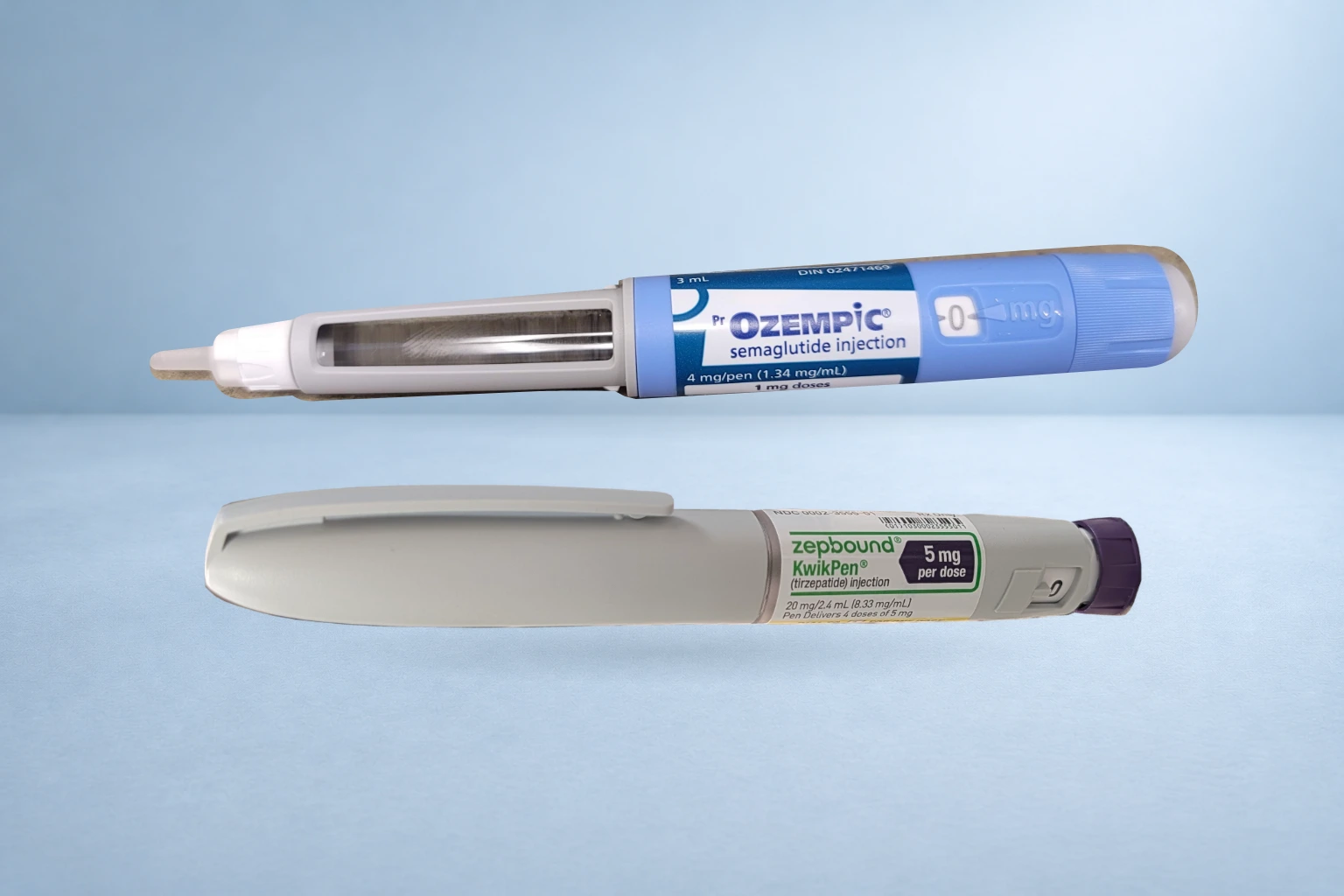
What do microdosing and dose splitting mean?
“Microdosing” is an informal term, not a standard treatment plan. People may use it to describe a dose or schedule outside what has been studied for a specific medicine and treatment goal. A labeled starting dose or maintenance option is not automatically microdosing.
“Dose splitting” can mean dividing a planned dose into smaller portions or taking doses on a different schedule. The phrase alone does not show whether a particular approach was studied or is appropriate for your exact product. Wegovy injection and tablets have different instructions. Ozempic and Zepbound presentations also have product-specific directions. Do not use online instructions to split a dose, count pen clicks, or change how often you take a medicine.
When side effects affect daily life
Nausea, constipation, diarrhea, or feeling too full can make it harder to eat, drink, or manage everyday activities. Tell your clinician what you are experiencing and when it happens.
Product labels describe options for clinicians to consider when a patient does not tolerate a dose. For example, the Wegovy label allows a prescriber to consider delaying dose escalation. The Zepbound label says response and tolerability should be considered when selecting a maintenance dose. These instructions are specific to each product. They do not establish a general microdosing or dose-splitting plan. See the Wegovy prescribing information and Zepbound prescribing information.
Your clinician may also ask about meals, fluids, other medicines, and other possible causes of symptoms. A dose change is only one possible part of a medical review.
Keep cost in the conversation
Medication cost can affect whether a treatment plan is practical. A smaller dose does not always mean a lower pharmacy price. Cost depends on the product, how it is supplied, insurance coverage, and available savings programs.
Your CNC team can help you review coverage and prior authorization, manufacturer or cash-pay programs, and other medication options when appropriate. We can discuss the actual cost of the plan you are considering.
Every patient responds differently
Two people taking the same medication may respond differently. We look at your appetite, energy, nutrition and progress toward your goals. Your experience helps us decide whether your current plan is working and how well you tolerate it.
How CNC personalizes medication care
Your clinician reviews your health history, other medicines, appetite, weight trends, symptoms, nutrition, activity, and goals. Together, you can discuss whether to continue the current plan, follow the product’s labeled instructions, or consider another option. Follow-up visits help your care team see how treatment is going and talk through next steps.
Medication is one part of care. Our professional staff can also help with nutrition and activity planning that fits your life.
If you are already a CNC patient, contact your care team about a current medication question or arrange medical follow-up. If you are new to CNC, a free informational consultation with an experienced office staff member is a chance to ask about programs and costs. It is not a medical evaluation and does not provide medication or dose recommendations.
What about maintaining your weight loss?
When your focus shifts to keeping weight off, it’s a good time to review your treatment plan. A different dose may be worth discussing with your prescriber. Some patients continue their current treatment to maintain progress. Research on nonstandard low doses for maintenance is limited, and reaching your goal does not automatically mean your dose should change.
Product and safety questions
Use the instructions for the exact medicine and presentation you have. Ozempic’s instructions caution against using pen clicks to select a dose. Ask your prescriber or pharmacist if the supplied directions are unclear. Read the Ozempic prescribing information.
Compounded drugs are not FDA-approved and are not reviewed by FDA for safety, effectiveness, or quality before marketing. FDA has received reports of dosing errors with compounded injectable semaglutide, including cases requiring hospitalization. FDA says a compounded drug may be appropriate when a patient’s medical need cannot be met by an FDA-approved drug or when the approved drug is not commercially available. Read the FDA alert about compounded semaglutide dosing errors and its information about unapproved GLP-1 drugs.
If you think you may have taken the wrong amount, or you have severe or persistent symptoms, contact a health professional promptly. For an emergency, call 911.
A note about off-label use: A dose or schedule outside a medicine’s FDA-approved instructions may be off-label. Research on nonstandard microdosing and dose splitting is limited. Not every pen or vial is suitable for dividing doses. Your medical team can review possible risks and benefits, explain alternatives, and help you decide whether a customized plan is appropriate. Make medication changes only with guidance from your CNC prescriber.
For general information, see the FDA’s overview of unapproved use of approved drugs.
Questions patients ask
Is a planned step in labeled dose escalation microdosing?
Not automatically. A labeled titration step follows the product’s instructions. “Microdosing” is an informal term used for different, sometimes nonstandard dosing patterns. Ask your prescriber which instructions apply to your medicine.
Can microdosing prevent nausea or other side effects?
That has not been established. A lower amount does not remove all medication risks or guarantee fewer side effects. Discuss symptoms and dose questions with your prescriber.
Can I split a dose or count clicks on my pen?
Do not use online instructions to split doses or count clicks. Instructions vary by product and presentation. Ask your pharmacist or prescriber to review the exact medicine you have.
Is compounded semaglutide the same as an FDA-approved medicine?
No. Compounded products are not FDA-approved and do not undergo the same premarket review for safety, effectiveness, and quality. FDA has warned about dosing errors involving compounded semaglutide. Ask a licensed prescriber or pharmacist about your specific product.
Let’s find a plan that fits you
If side effects, cost or the next stage of treatment are on your mind, we can talk through your options. Current patients can contact their care team. New patients can ask our office staff about getting started.