


Ozempic® (semaglutide) in Denver
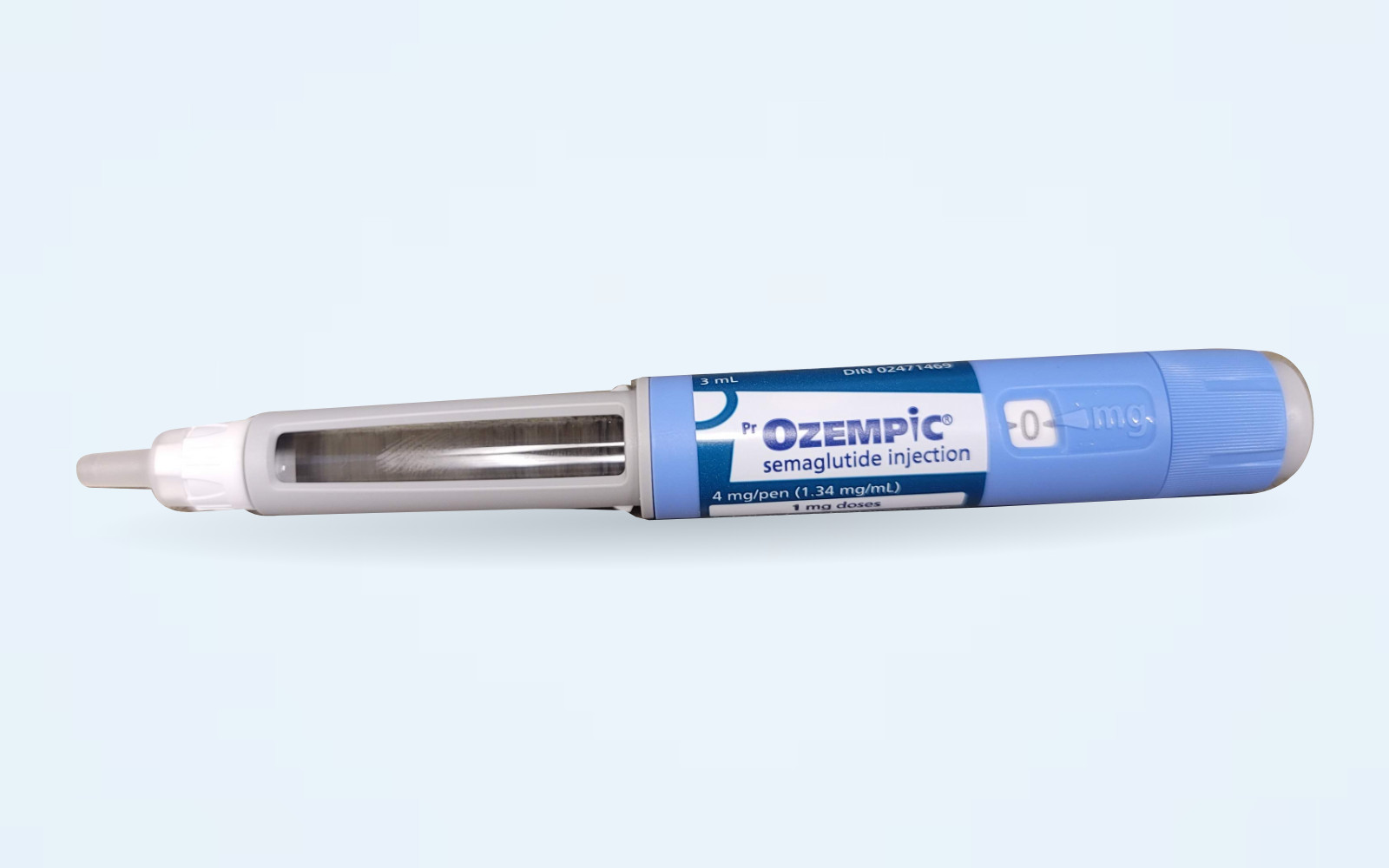
Ozempic® is a once-weekly prescription injection for adults with type 2 diabetes. It also has FDA-approved heart and kidney uses for some adults with type 2 diabetes.
Considering semaglutide for weight management? Our Greenwood Village team can help you understand the options, including Wegovy® injection.
What is Ozempic® approved to treat?
Ozempic® is a GLP-1 medicine. The injection has three approved uses in adults:
- Improve blood sugar in adults with type 2 diabetes, alongside diet and exercise.
- Lower the risk of cardiovascular death, nonfatal heart attack or nonfatal stroke in adults with type 2 diabetes and established cardiovascular disease.
- Lower the risk of lasting loss of kidney function, end-stage kidney disease and cardiovascular death in adults with type 2 diabetes and chronic kidney disease.
This page covers the injection. Ozempic® tablets have their own prescribing information and dosing instructions.
Ozempic® vs. Wegovy® for weight management
Ozempic® and Wegovy® contain semaglutide and have different FDA-approved uses. Ozempic® has no FDA-approved indication for chronic weight management. Wegovy® injection is approved for long-term weight management in eligible patients.
If you prefer a pill, learn about Wegovy® tablets for weight management.
Our guide to weight-loss medication eligibility explains what clinicians consider. Your clinician reviews your health history, medications and goals before recommending treatment.
What the clinical studies found
The FDA prescribing information summarizes trials of Ozempic® injection in adults with type 2 diabetes. The heart and kidney trials enrolled different groups of patients.
Heart outcomes
SUSTAIN-6 enrolled adults with type 2 diabetes at high cardiovascular risk. Over about two years, 6.6% of patients taking semaglutide and 8.9% taking placebo had cardiovascular death, a nonfatal heart attack or a nonfatal stroke. The estimated relative reduction was 26%. The approved indication applies to adults with type 2 diabetes and established cardiovascular disease.
Kidney outcomes
FLOW enrolled adults with type 2 diabetes and chronic kidney disease. Over a median 3.4 years, 18.7% of patients taking semaglutide and 23.2% taking placebo had substantial sustained loss of kidney function, kidney failure, or death from kidney or cardiovascular causes. The estimated relative reduction was 24%.
Blood sugar
Trials in adults with type 2 diabetes found improvements in A1c, a measure of average blood sugar, compared with placebo and some other diabetes treatments. Results varied by trial and comparator.
Safety and follow-up
Common side effects include nausea, vomiting, diarrhea, stomach pain and constipation. Serious risks include pancreatitis, gallbladder problems, severe digestive problems and dehydration that can lead to kidney problems. Combining this medicine with insulin or certain other diabetes medicines can raise the risk of low blood sugar. Tell your prescriber if you have diabetes-related eye disease.
Ozempic® carries a boxed warning about a possible risk of thyroid tumors. Animal studies found these tumors. The risk in people is unknown. People with a personal or family history of medullary thyroid cancer or with multiple endocrine neoplasia type 2 should avoid this medication. The same applies to people who have had a serious allergic reaction to its ingredients.
The FDA also warned about a possible increase in the risk of NAION, a rare eye condition that can cause sudden vision loss. Contact a health professional right away if you notice sudden vision changes, including painless loss of vision in one eye.
At Clinical Nutrition Center in Greenwood Village, ongoing medical weight-loss care can include follow-up visits, lab monitoring, nutrition support from our registered dietitian and SECA body composition measurements to track changes in fat and lean mass. Learn how our team helps patients manage GLP-1 side effects. Our care team is led by Dr. Ethan Lazarus, who is board certified in obesity medicine and family medicine. We work with you on a personalized nutrition and activity plan.
Medication coverage and cost
Your cost for the injection depends on your plan, prescription and pharmacy. Novo Nordisk lists current Ozempic® savings and self-pay options. Check the injection terms for eligible doses, refill pricing and other requirements.
Medication costs are separate from clinic fees. You can ask to have your prescription sent to the pharmacy of your choice. If a prescription requires prior authorization, our team can help CNC patients with the paperwork. Your plan decides whether it will cover the medication. See clinic fees and program pricing, weight-loss medication costs and medication coverage information.
Common questions about Ozempic®
Is Ozempic® approved for weight loss?
Ozempic® has no FDA-approved indication for chronic weight management. Wegovy® contains the same active ingredient and is approved for long-term weight management in eligible patients.
What if I miss an injection?
For the weekly Ozempic® injection, take the missed dose as soon as you can within five days. After five days, skip it and take your next dose on your usual day. Follow the injection medication guide and contact your prescriber if you are unsure.
Will the injection hurt?
You may feel a brief sting or discomfort. Ask your pharmacist or prescriber to review the instructions for your specific device. The prescribing information includes patient instructions. Novo Nordisk also explains how to use the Ozempic pen.
Does the free consultation include a prescription?
The free consultation is informational. You can ask questions about the practice, programs and medication options with no commitment. A separate paid clinical visit is where a clinician assesses treatment options.
Talk with the Clinical Nutrition Center team
Start with a free consultation. Ask about our programs, medication options and what care costs. If you decide to move forward, we can explain how to prepare for a paid clinical visit.