


Protein in Your Diet
Although not ideal for everyone, when attempting to lose weight, a diet high in protein foods gives your body the amino acids necessary for peak functioning of numerous physiological processes. In addition, you won't be driven to snack constantly by recurring hunger pangs after eating a meal rich in protein, because protein helps you feel fuller longer.
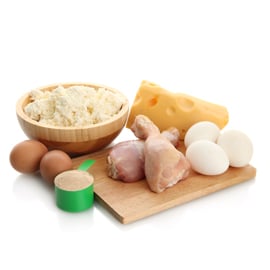 If you are attempting to lose weight, a diet high in protein foods gives your body the amino acids necessary for peak functioning of numerous physiological processes while helping you control your hunger. Although there are some cases where medical conditions make high protein diets a poor choice, For most of us, high protein diets are ideal for weight loss. Here’s why:
5 Great Protein Benefits
- Skin, hair, nails, eyes, and ligaments require protein for maintaining vital structural components
- Protein is essential to replenishing and supporting all body tissues
- Proteins provide satiety so high protein foods help you eat less and keep you feeling full for longer.
- Protein powers the enzymes needed to initiate beneficial chemical reactions in the body such as creating hemoglobin in blood and immune system functioning
- A protein-rich diet creates a “thermic effect” in the body which may accelerate your metabolism and increases the amount of calories your body uses.
10 High Protein Foods
- All types of legumes and beans
- Cheese
- Milk
- Eggs
- Lean poultry and beef
- Fish (especially tuna and salmon)
- Tofu
- Yogurt
- Soy milk
- Peanut butter
Complete and Incomplete Proteins
Protein sources are labeled to offer information regarding the number of essential amino acids they provide. For example, a complete protein source (also called high quality proteins) provides all essential amino acids and includes poultry, eggs, and fish. Incomplete protein foods are low in at least one essential amino acid and include rice and some dry beans. However, incorporating both complete and incomplete proteins in a healthy diet will provide all essential amino acids necessary to fuel metabolism rates and help you lose weight.
Preexisting Conditions
People with diabetes, kidney or liver disease or those taking prescriptions for heart problems who want to lose weight by adopting a protein-rich diet should discuss their plans with a medical weight loss professional before starting such a diet.
Test paragraph
Frequently Asked Questions
How much protein do I need while on GLP-1 medications?
Most patients need 1.2–1.6g of protein per kilogram of body weight daily — that’s roughly 80–110g for a 150lb patient. GLP-1s reduce appetite dramatically, making it easy to fall short on protein. Prioritizing protein at every meal protects against muscle loss during rapid weight loss.
Will protein keep me full on a GLP-1?
Yes. Protein is the most satiating macronutrient, and spreading 25–30g of protein across meals and snacks helps maintain steady energy and prevents the ‘nothing sounds good’ food aversion many patients experience on GLP-1s.
What are the best protein sources for weight loss?
The best sources are lean animal proteins (chicken breast, fish, Greek yogurt, eggs), legumes (lentils, chickpeas), and high-quality protein supplements when whole food protein is impractical. Protein powder can bridge gaps, especially at breakfast.
Can too much protein be harmful during weight loss?
For patients with healthy kidneys, high protein intake during weight loss is safe and beneficial. However, patients with pre-existing kidney disease should consult their physician before increasing protein intake.
Does protein speed up metabolism?
Protein has a high thermic effect — your body burns 20–30% of the calories in protein during digestion. Adequate protein also preserves lean muscle mass, which keeps resting metabolic rate higher during caloric restriction.