

Retatrutide: What Lilly’s Triple-Agonist Drug Means for Weight Loss Treatment
Let me start with a number that should get your attention: 28.7%. That’s how much body weight participants lost in the latest Phase 3 trial of retatrutide, Eli Lilly’s investigational triple-agonist obesity medication. At 68 weeks, the average weight loss was 71.2 pounds. More than half of participants taking the highest dose lost at least 30% of their body weight.
Let that sink in.
I’ve been treating obesity for two decades. I’ve seen orlistat produce 5% weight loss. I’ve seen phentermine produce 8%. I’ve seen semaglutide produce 15% at its best. And now I’m looking at a drug that produced nearly 30% weight loss — in a Phase 3 trial, in people with obesity, without diabetes.
If you’re wondering what changed: the mechanism.
What Is Retatrutide?
Retatrutide is a single molecule that activates three hormone receptors simultaneously:
- GIP (glucose-dependent insulinotropic polypeptide)
- GLP-1 (glucagon-like peptide-1)
- Glucagon
Most current obesity medications activate one or two of these. Retatrutide activates all three.
The addition of glucagon receptor activation is what’s driving the bigger weight loss results. Glucagon signaling increases energy expenditure and fat burning — not just appetite suppression. You’re not just eating less. You’re burning more.
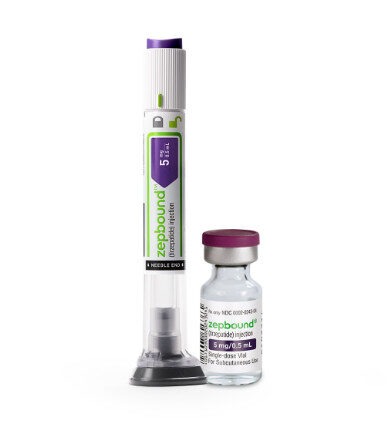
It’s being developed by Eli Lilly — the same company behind Zepbound (tirzepatide) and Mounjaro.
The TRIUMPH-4 Trial: What We Know
The latest data comes from TRIUMPH-4, a Phase 3 registration trial in adults with obesity and knee osteoarthritis — no diabetes. Participants had an average baseline weight of 248.5 pounds and BMI of 40.4 kg/m². They were randomized to retatrutide 9 mg, 12 mg, or placebo, once weekly.
Weight loss at 68 weeks:
| Dose | Average Weight Loss |
|---|---|
| 9 mg | 26.4% (64.2 lbs) |
| 12 mg | 28.7% (71.2 lbs) |
| Placebo | 2.1% (4.6 lbs) |
But it wasn’t just weight. The trial also measured knee pain and physical function — and the results were striking. Participants on retatrutide saw their WOMAC pain scores drop by 75% at the highest dose. More than 1 in 8 participants were completely free of knee pain at the end of the trial.
This makes sense. Every pound of body weight lost reduces load on the knee joint. At 70+ pounds of weight loss, the biomechanical effect is substantial.
Additional findings:
- 58.6% of participants on retatrutide 12 mg lost at least 30% of their body weight
- 23.7% lost at least 35% of their body weight
- Significant improvements in non-HDL cholesterol, triglycerides, and blood pressure
- Systolic blood pressure dropped by 14.0 mmHg at the highest dose
For context, 35% weight loss is the threshold where bariatric surgery typically starts showing its effect. We’re seeing that with a weekly injection.
What About Diabetes?
Retatrutide is also being studied in type 2 diabetes — and the data there is equally impressive. In the TRANSCEND-T2D-1 trial, participants lost up to 16.8% of their body weight (36.6 lbs) and reduced A1C by up to 2 percentage points in just 40 weeks. That dual effect — significant weight loss plus substantial blood sugar reduction — makes it a particularly interesting option for patients living with both obesity and type 2 diabetes.
Side Effects
The side effect profile is consistent with other incretin-based medications — primarily gastrointestinal, occurring during dose escalation:
- Nausea: 43.2% at 12 mg (vs. 10.7% placebo)
- Diarrhea: 33.1% (vs. 13.4% placebo)
- Vomiting: 20.9% (vs. 0% placebo)
- Constipation: 25.0% (vs. 8.7% placebo)
Discontinuation rates due to adverse events were higher at the 12 mg dose (18.2%) compared to placebo (4.0%) — but many of these were in participants with BMI ≥35 who were perceived to have lost too much weight. This is a good problem to have, and something we’ll manage carefully in practice.
What’s Coming Next
Lilly expects seven additional Phase 3 readouts in 2026, including trials in obstructive sleep apnea, chronic low back pain, fatty liver disease, and cardiovascular outcomes. The obesity-specific trial results — SURMOUNT — will be particularly important for understanding where retatrutide fits in the treatment landscape.
One important caveat: retatrutide is the trial name, not the brand name. If approved, it will get a commercial name (see: orforglipron becoming Foundayo). We’ll update this page when approval comes through.
The Bottom Line
Retatrutide is the most effective obesity medication in Phase 3 testing that I’ve seen in my career. Nearly 30% body weight loss at 68 weeks — with meaningful improvements in pain, function, and cardiovascular risk factors.
If you’re currently on a GLP-1 or dual-agonist medication and losing weight effectively: stay the course. These drugs work. The landscape is evolving fast, but that doesn’t mean you should interrupt what you’re doing.
If you have significant weight to lose and haven’t found a medication that works for you: retatrutide may be the answer. Ask your doctor at your next visit.
We’ll be watching the remaining SURMOUNT data closely and updating this page when approval timeline becomes clear.
Dr. Ethan Lazarus, MD, DABOM
Clinical Nutrition Center
4775 Larimer Pkwy, Suite 140, Aurora, CO 80011
303-750-8050
Note: Retatrutide is an investigational medication. It is not FDA-approved and is available only to participants in Lilly’s clinical trials. This article will be updated when approval data becomes available.