

GLP-1 Medications and Heart Health: What the Latest Research Shows
The Plot Twist Nobody Saw Coming
When glp-1-weight-loss-medications”>glp-1/the-oral-revolution-a-denver-medical-weight-loss-guide-to-the-new-wegovy-pill”>denver“>ozempic-denver”>tirzepatide-glp1-nutrition-weight-loss”>semaglutide–zepbound-for-the-treatment-of-sleep-apnea”>zepbound-now-available-through-lillydirect-a-new-option-for-tirzepatide-access-at-a-predictable-price”>tirzepatide-glp1-nutrition-weight-loss”>semaglutide (Zepbound, Wglp-1) burst onto theglp-1href=”https://www.clinicalnutritioncesemaglutidep-1/zepbound-now-available-through-lillydirect-a-new-option-for-tirzepatide-access-at-a-predictable-price”>tirzepatideone called it a “weight loss drug.” Fair enough—it works spectacularly well for that. People lose 20–30% of their body weight. Problem solved, right?
Not quite.
In the past two years, a completely different story emerged from the research. And it’s forcing us to rewrite the textbook on what these medications actually do.
They’re not just weight loss drugs. They’re cardiometabolic disease-modifying therapies.
This matters for your heart, your kidneys, your blood pressure—and it matters whether you have diabetes or not. Let me show you why.
The SELECT Trial Changed Everything
In 2024, the SELECT trial delivered a bombshell: semaglutide reduced major mounjaro-tirzepatide-lowers-risk-of-heart-attack-stroke-and-cardiovascular-death”>mounjaro-tirzepatide-lowers-risk-of-heart-attack-stroke-and-cardiovascular-death”>cardiovascular evencardiovascularcks and strokes) by 20% in people WITHOUT diabetes.
Let that sink in.
This wasn’t a diabetic population. These were overweight and obese people with existing heart disease or high cardiovascular risk. No diabetes required. No need for blood sugar improvement to see the benefit.
That single finding shattered the “it’s just for diabetics” narrative. The cardiovascular protection wasn’t coming from lowering blood sugar. It was coming from something deeper.
What’s Really Happening Under the Skin
Here’s where the mechanism matters—and where Dr. Lazarus gets excited (fair warning: we love the biochemistry).
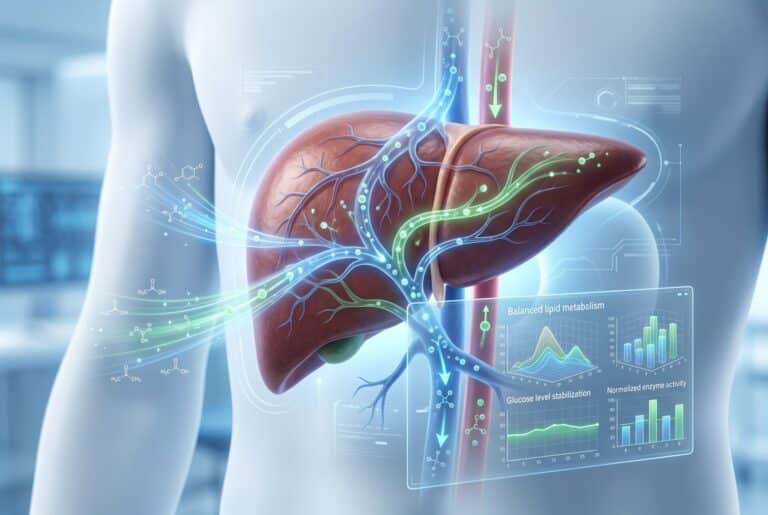
glp-1 medications don’t just shrink your stomach’s appetite signals. They’re working throughout your body on something called NF-kB signaling—a master switch for inflammation.
Chronic inflammation is the silent killer behind most heart disease. It’s the reason two people with the same weight can have wildly different cardiovascular risk. One has raging inflammation; the other doesn’t.
GLP-1 agonists turn down that inflammation. Think of it as turning down the volume on your body’s alarm system before it causes permanent damage.
What else happens?
- Blood Pressure: GLP-1s reduce systolic blood pressure by **3–6 mmHg** on average—a modest number that saves lives when multiplied across millions of people.
- Kidney Protection: Albuminuria (muscle-while-losing-weight”>protein leaking into urine) decreases significantly. Your kidneys last longer.
- Arterial Function: Endothelial function improves—meaning your blood vessels relax and dilate better, reducing arterial stiffness.
None of these benefits require you to lose weight. But when you combine weight loss *with* these mechanical improvements? You’ve got a powerful cardiometabolic reset.
The HFpEF Breakthrough: Heart Failure You Didn’t Know About
Here’s a clinical twist: the fastest-growing type of heart failure in America is HFpEF (heart failure with preserved ejection fraction). It’s tricky because your heart still pumps blood out well—but it doesn’t relax properly between beats.
It’s the heart failure of obesity. Hypertension. Inflammation. Metabolic disease.
2025 data is showing something remarkable: GLP-1 medications reduce heart failure hospitalizations in HFpEF patients by over 50%.
Not just symptom improvement. Not just minor benefit. A more than 50% reduction in the need for hospitalization.
For people living with HFpEF, that’s the difference between frequent ER trips and stable, livable health.
What the SUMMIT and JAMA Data Tell Us
The SUMMIT trial (2025) looked at obese people without diabetes or established heart disease. Result: semaglutide reduced **incident cardiovascular events by 18%** and reduced **mortality from all causes**.
Translation: It’s preventing heart disease in people who don’t have it yet. It’s not just treating; it’s protecting.
The real-world JAMA cohort data from 2025 shows these benefits hold up outside the clean, controlled environment of a clinical trial. In everyday patients—with their messy medication combinations, inconsistent diets, and real-life stress—GLP-1s still deliver cardiovascular protection.
Meta-analyses from 2025 are consistent: across multiple studies, different populations, and varied follow-up periods, the cardiovascular benefit is real and reproducible.
Why This Matters for You
If you’re overweight with high blood pressure, elevated cholesterol, or a family history of heart disease—you have inflammation happening right now. You might not feel it. Your doctor might call your labs “borderline” or “acceptable for your age.”
But that inflammation is setting up tomorrow’s heart attack, stroke, or heart failure.
GLP-1 medications don’t just make you thinner. They:
- Dial down inflammation throughout your body
- Protect your kidneys from disease
- Improve how your blood vessels work
- Do this whether you have diabetes or not
That’s why we’re excited about them. Not because they’re trendy. Not because they’re the hottest weight loss tool. But because they’re disease-modifying—they change the biology, not just the scale.
Real Talk: Cost, Access, and What We Do at Clinical Nutrition Center
Are these medications expensivexercise situation.
We don’t recommend GLP-1s for everyone. Some people do great with behavioral change, exercise“>exercise, and nutrition optimization alone. Others need the biological help that these medications provide.
What we do is this: We look at *your* inflammation markers, *your* cardiovascular risk, *your* metabolic picture. Then we talk about all the tools available—medication, nutrition, exercise, stress management.
If you’re in the Greenwood Village or Denver area and you’re curious whether a GLP-1 might be part of your cardiometabolic reset, visit our medical weight loss clinic — let’s talk.
The Bottom Line
GLP-1 medications are no longer just “weight loss drugs.” They’re cardiometabolic disease-modifying therapies that:
- Reduce cardiovascular events by 18–20% independent of diabetes status
- Protect kidneys and reduce protein loss
- Lower blood pressure without additional medication
- Reduce heart failure hospitalizations by over 50% in HFpEF
- Work through anti-inColoradory mechanisms that benefit your whole body
The science has spoken. The question now is: what does that mean for your health?
Dr. Ethan Lazarus is a double board-certified physician in Obesity Medicine and Family Medicine, and founder of Clinical Nutrition Center in Greenwood Village, Colorado. His practice specializes in medical weight loss, metabolic disease, and cardiometabolic optimization.
Questions about GLP-1s and your cardiovascular health? Schedule a consultation at Clinical Nutrition Center — we’re here to help.
References & Citations
- SELECT Trial (2024): Semaglutide in Patients with Obesity and Established Cardiovascular Disease. *NEJM*.
- SUMMIT Trial (2025): Semaglutide in Obese Individuals Without Diabetes or Heart Disease. *JAMA*.
- Real-World Cohort Analysis (2025): Cardiovascular Outcomes with GLP-1 Agonists in Clinical Practice. *JAMA Cardiology*.
- Meta-Analysis (2025): Cardiometabolic Benefits of GLP-1 Receptor Agonists. *Circulation*.
- HFpEF and GLP-1 Data (2025): SUMMIT substudy and real-world outcomes.
Local SEO Targets:
- Greenwood Village weight loss
- Denver GLP-1 medications
- ColoraZepboundtyMounjaroe
- Heart disease prevention DWegovy/li>
- Zepbound and Wegovy in Colorado
Whether you’re in Aurora, Denver, Parker, or anywhere in the Denver metro area, Clinical Nutrition Center’s physician-led weight loss team is here to help. Interested in Ozempic in Denver? Schedule a consultation at your nearest location today.