

Why Your GLP-1 Might Not Be Working — and What a Medical Team Can Actually Do About It
For years, the standard answer was: eat less, move more. If that didn’t work, you didn’t try hard enough.
We know better now. GLP-1 medications like semaglutide (Wegovy, Ozempic) and tirzepatide (Zepbound, Mounjaro) work — in clinical trials, they work remarkably well. The problem isn’t the drugs. The problem is what happens in the real world when the medication stops working for you.
This post is for the person who’s been on semaglutide for months, doing everything right, and the scale won’t budge. You’re not imagining it. And no, you’re not a failure.
The Gap Between Trials and Real Life
In clinical trials, semaglutide produces substantial weight loss — typically 15–20% of body weight. That’s genuinely impressive. But those trials carefully titrate doses upward to therapeutic levels. They monitor participants. They have structured lifestyle support built in.
In the real world, something different happens.
Many patients are started on semaglutide and left at a low dose. The 0.25 mg starter dose is intentionally sub-therapeutic — it’s meant to acclimate your body to the medication and reduce side effects. But if you stay there, you never reach the dose where the medication actually works.
The average dose patients actually receive in primary care is often lower than what the trials used. Some providers are cautious about escalation. Some aren’t trained in obesity medicine and don’t know the target doses. Some patients stop the medication before titrating up because the side effects feel like too much without close management.
When your dose is too low, the medication can’t do its job. This is not your fault. It’s a treatment design problem.
What’s Actually Happening in Your Body
GLP-1 medications work primarily through two mechanisms: they slow gastric emptying (you feel full longer) and they reduce appetite by affecting hunger hormones. The result: naturally lower caloric intake without constant willpower.
But here’s what the drug companies don’t always tell you clearly: these effects can diminish over time. Your body adapts. The hormones recalibrate.
This is called pharmacological tolerance — not addiction, not dependence, but a normal physiological response to a medication that changes your chemistry. Ghrelin (the hunger hormone) starts to rise again. Gastric emptying may normalize somewhat. Your body learns the new baseline.
Metabolic adaptation compounds this. The same adaptive mechanisms that make weight loss hard in general also make plateaus on GLP-1s harder to break. When you lose weight, your body burns fewer calories at rest. On semaglutide, you’re already eating less. The combination can lead to a standoff.
Your Job vs. Your Doctor’s Job
Your job: Track your weight honestly. Report side effects. Keep your appointments.
Your doctor’s job: Monitor your dose, escalate appropriately, rule out metabolic contributors (thyroid, medications, sleep apnea), and know when to switch or add therapy.
If your doctor is just refilling your prescription every three months without adjusting dose, asking about nutrition, or evaluating whether the medication is working — you’re being undertreated, not failing.
What Actually Works (The Clinical Options)
1. Optimize Your Dose First
The most common fix is also the simplest: you probably haven’t hit the therapeutic dose.
- Wegovy’s target dose is 2.4 mg weekly (or now 7.2 mg!)
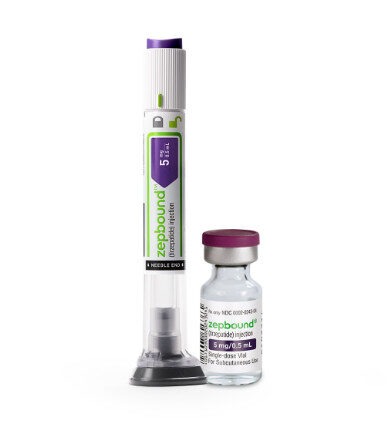
- Zepbound can be 5, 10, or 15 mg weekly.
If you’ve been plateaued for more than 4–6 weeks on a low or moderate dose, you haven’t reached the ceiling yet. Titration should be gradual — each drug has a recommended titration schedule — but there’s a target, and most patients need to reach it to see results.
2. Switch to a Different GLP-1
Tirzepatide (Zepbound, Mounjaro) acts on both GLP-1 and GIP receptors. Some patients who plateau on semaglutide respond well to tirzepatide. This isn’t always a matter of one being “stronger” — they work on different pathways, and individual response varies.
If semaglutide has stopped working for you, that’s a reasonable time to discuss a switch with your provider. Some patients lose weight again after switching. Some need to go through dose titration again at the new medication. Both are valid paths.
3. Add Supportive Therapies
Nutrition and protein: This is where most patients need help. GLP-1s reduce appetite — but they don’t always ensure you’re getting enough protein. At higher doses, many patients eat so little that they’re losing muscle, not fat. Getting adequate protein (1.2–1.6 g/kg of ideal body weight) and working with a registered dietitian can change the composition of weight loss even when the scale stalls.
Resistance training: If you’re not doing strength work, start. GLP-1s reduce appetite, but without resistance training, a portion of weight loss can be lean mass. Cardio is good. Resistance training is critical for preserving metabolism and changing body composition.
Sleep and stress: Both ghrelin and cortisol are affected by sleep quality and chronic stress. Poor sleep raises hunger hormones. Chronic stress does the same. These aren’t about willpower — they’re biological signals that override your good intentions.
4. Rule Out Medical Contributors
Some factors that look like “GLP-1 failure” have a different explanation:
- Undiagnosed hypothyroidism
- Medications that cause weight gain (some antidepressants, antipsychotics, steroids)
- Untreated sleep apnea
- Insulin resistance that needs additional pharmacologic support
These are checkable. A good obesity medicine physician will investigate before assuming the medication has failed.
The Bottom Line
A plateau on semaglutide is not a verdict. It’s information.
Most of the time it means: the dose needs adjustment, a different medication should be tried, or the supportive pillars (nutrition, strength training, sleep) need to be added. Occasionally it means there’s an underlying medical issue that needs separate treatment.
The answer is rarely “give up.” The answer is almost always “your treatment plan needs to be updated.”
If your current provider isn’t offering you options, that’s a reason to seek a second opinion — not a reason to stop treatment.
What CNC Offers
At Clinical Nutrition Center, our weight management team includes board-certified obesity medicine physicians and registered dietitians. We manage GLP-1 therapy actively: monitoring response, adjusting doses, switching medications when needed, and building the nutrition and lifestyle plan around the medication.
If you’ve been on semaglutide and stopped losing weight, we can review your current regimen and discuss what changes — medication, dose, or support — might help.
The first visit is 30 minutes with a registered dietitian or physician assistant. Call us at (303) 750-9454 or book online at clinicalnutritioncenter.com.
Dr. Ethan Lazarus, MD, FOMA
Diplomate, American Board of Obesity Medicine
Clinical Nutrition Center
5995 Greenwood Plaza Blvd, Suite 150, Greenwood Village, CO 80111
(303) 750-9454