


The Keto Diet Does Something Mediterranean Doesn’t — and It Has Nothing to Do With Weight Loss
A patient came in last month with a fatty liver diagnosis and an A1C of 6.2%. She was not surprised. Her father had the same thing. Her sister had the same thing. She figured it was genetic and inevitable.
She was half right. It is common. It is not inevitable.
A study published in Cell Metabolism on August 27, 2026, put three diets head-to-head in 42 adults with obesity, prediabetes, and fatty liver disease. Everyone lost the same amount of weight — about 10% of body weight over four to five months. But the metabolic outcomes diverged sharply depending on what they ate.
The Three Groups
- Keto: 4% carbs, 73% fat
- Mediterranean: 50% carbs, 35% fat
- Plant-forward: 70% carbs, 15% fat
Same calorie deficit. Same weight loss. Completely different metabolic effects.
Finding One: Prediabetes Reversal
By the end of the study, roughly half the keto group no longer met the criteria for prediabetes. For the Mediterranean group, it was 29%. For the plant-forward group, 7%.
Let that sink in. Same weight loss. Dramatically different rates of metabolic recovery.
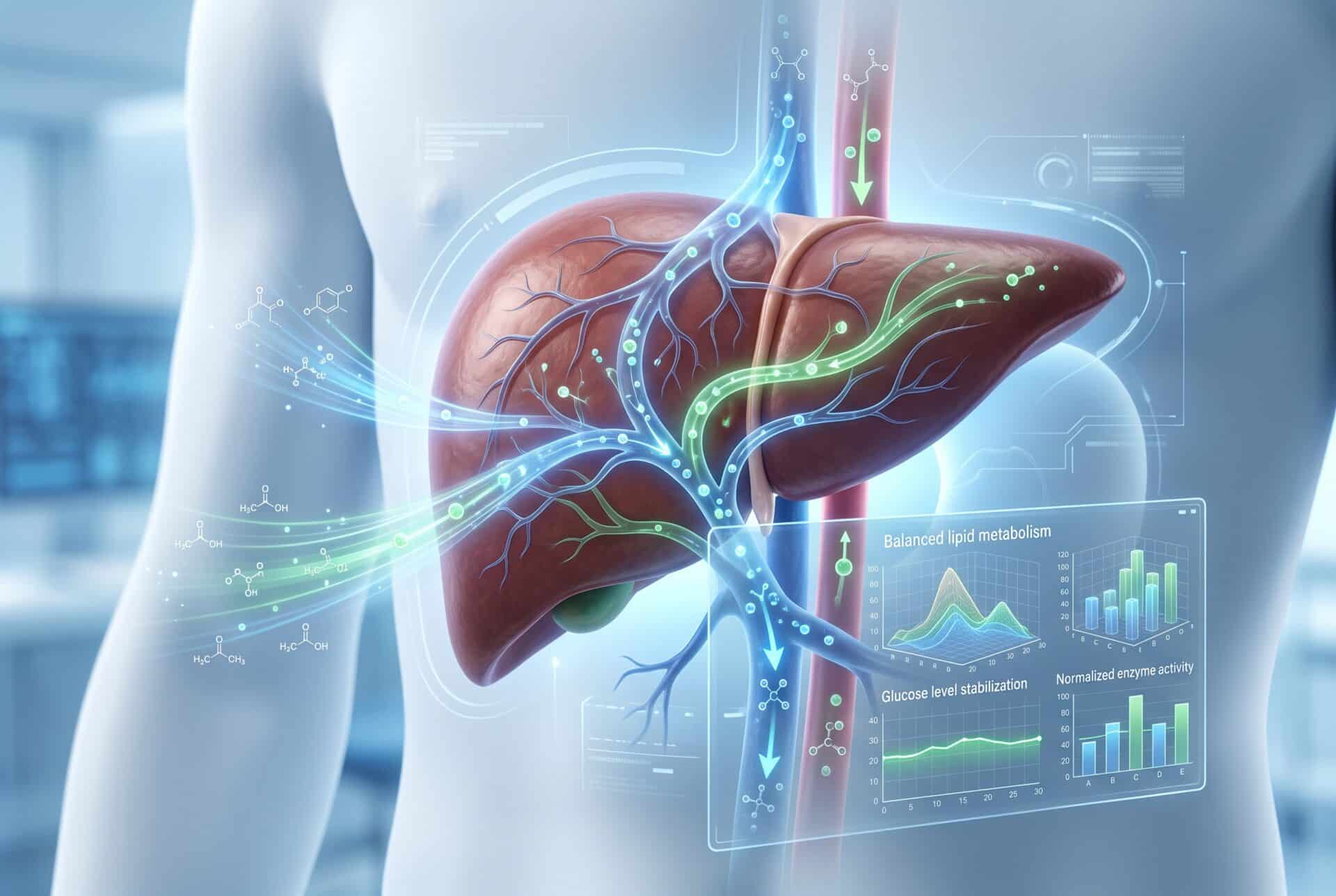
The mechanism, according to the researchers: keto produced the largest increase in glucagon — a hormone that tells the liver to burn fat rather than store it. The liver started doing something different, not just less of the same thing.
Finding Two: Liver Fat
Liver fat decreased by 67% in the keto group, compared with 45% in the other two groups.
This is the finding that will matter most to the hepatologists. Fatty liver disease — MASLD — affects an estimated 30% of American adults and is now the leading cause of liver transplant waiting list entries in the United States. A 67% reduction in liver fat from dietary change alone, without medication, is a meaningful clinical signal.
Finding Three: Cholesterol Didn’t Go Up
This is the part that surprises patients — and some doctors.
The keto group ate the most fat and had the greatest improvement in liver fat and prediabetes markers. They did not experience an increase in blood lipids. First author Max Petersen of Washington University called it the most surprising finding in the study.
The prevailing assumption has been that eating 73% of your calories as fat would worsen your lipid panel. It didn’t.
What This Doesn’t Mean
The study lasted about five months. Forty-two participants. Both limitations matter. We do not know what happens at two years. We do not know if these results generalize to people without fatty liver disease or prediabetes.
And the study’s endocrinologist made an important point: the muscle — which is the body’s primary sugar-burning engine — improved equally across all three diets. The gain came from weight loss, not from dietary composition. Meaningful metabolic health still starts with weight loss. The diet shapes what happens after.
The Practical Take
For the patient with fatty liver and prediabetes — and there are a lot of you in the Denver metro — the data now points in a direction that was not obvious five years ago. Keto, done seriously, produces metabolic changes in the liver and in glucose regulation that Mediterranean and plant-forward diets, at equivalent weight loss, do not match.
That does not make keto the right choice for everyone. Sustainability matters. Sustainability is where Mediterranean has an advantage — it is a style of eating, not a protocol with a beginning and an end.
But if you have fatty liver, if your A1C is creeping up, and if you can commit to a structured lower-carbohydrate eating plan with clinical support, the evidence is now stronger than it was last month.
Dr. Lazarus sees patients with fatty liver disease and prediabetes at Clinical Nutrition Center in Greenwood Village. Call (303) 750-9454 to schedule.
Sources:
- Cell Metabolism, August 27, 2026. Study authors: Petersen et al., Washington University School of Medicine.
- HealthLine coverage, August 27, 2026.
- EurekAlert press release, August 27, 2026.