

GLP-1 Pancreatitis Risk: What Evidence Shows in 2026
Dr. Ethan Lazarus, MD
Obesity Medicine & Family Medicine
The Bottom Line
glp-1-weight-loss-medications”>GLP-1 receptor agonists remain among the most prescribed weight loss medications in the world. Millions of patients use them glp-1y every year. But pancreatitis—inflammation of the pancreas—continues to appear in safety reports and clinical studies. With new, higherglp-1 formulations now available, understanding your actual risk is critical.
How Common Is It?
Pancreatitis is rare in GLP-1 clinical trials. The incidence is low. But the FDA’s pharmacovigilance database (FAERS) shows ongoing reports from patients in real-world use. This means the condition exists, even if it’s not common.
The bottom line: The risk is real but uncommon. This is why we screen carefully before starting you on these medications.
What’s Different Now?
In March 2026, the FDA approved wegovy-and-zepbound“>Wegovy HD, which delivers denver-medwegovyeight-loss-guide-to-the-new-wegovy-pill”>denver“>ozempic-denvezepbound>tirzepatide-glp1-nutrition-weight-loss”>semaglutide–zepbound-now-available-through-lillydirect-a-new-option-for-tirzepatide-access-at-asemaglutidee-price”>tirzepatide-glp1-nutrition-weight-loss”>semaglutide at 7.2 mg per dose—the highest approved dose of this medication. More drug in your system means more exposure to the GLP-1 receptor. Long-term safety data for this new dosage tier is still limited, so we’re watching closely.
Additionally, new oral GLP-1 formulations—like foundayo-vs-oral-wegovy-weight-loss”>Foundayo (approved April 2026)—are reaching patients. Oral medications work differently than injectable ones. How they affect pancreatitis risk is still being learned in real-world practice.
Who Is at Higher Risk?
Not everyone is equally at risk. Certain factors make pancreatitis more likely:
- History of gallbladder or biliary disease — Gallstones and bile duct issues increase pancreatitis risk across all treatments
- High triglycerides — Triglyceride levels above 400 mg/dL are a known risk factor
- Rapid dose escalation — Increasing your dose too quickly may stress the pancreas
- Unclear screening — Many practices don’t systematically screen for these risk factors before starting GLP-1s
This is why we start low and go slow. Your doctor should ask about your gallbladder history, check your triglycerides, and escalate your dose gradually.
What We Don’t Yet Fully Understand
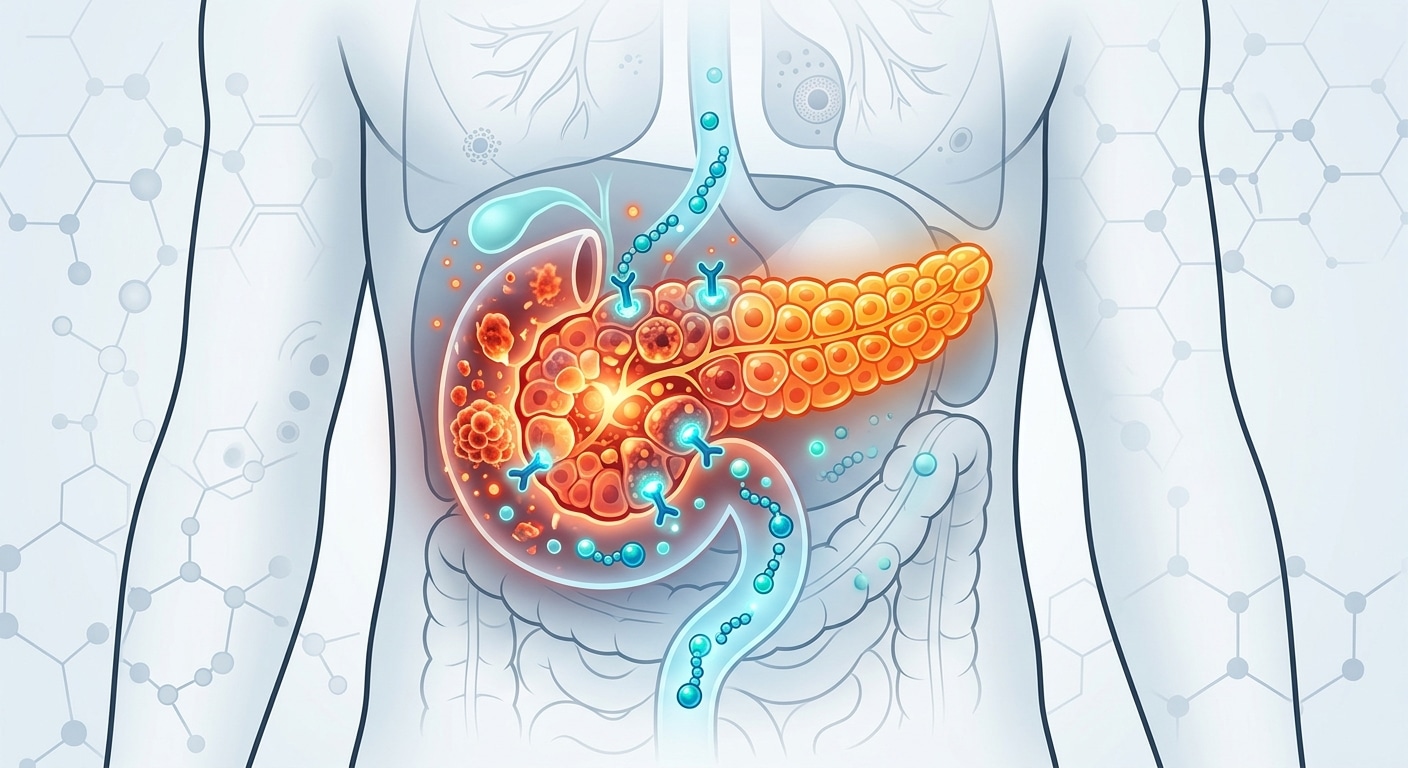
Medicine is honest about uncertainty. The exact mechanism of how GLP-1s might trigger pancreatitis remains incompletely understood. Researchers are investigating several theories:
- Gallstone-mediated obstruction — The medication may increase gallstone risk, which can block the pancreatic duct
- Direct pancreatic effects — GLP-1 receptors exist on pancreatic cells; the medication might affect them directly
- Inflammatory cascades — The medication could trigger an inflammatory response in the pancreas
Understanding the mechanism matters because it guides prevention and treatment strategies.
What Should Your Doctor Do?
Before starting GLP-1 therapy:
- Ask about your gallbladder and biliary history
- Check your triglyceride level
- Review your personal and family history of pancreatitis
During therapy:
- Start at the lowest effective dose
- Increase slowly, allowing your body to adjust
- Monitor for symptoms: severe abdominal pain, nausea, elevated pancreatic enzymes
If symptoms appear:
- Stop the medication and seek immediate care
- Get blood tests to check pancreatic enzymes (lipase, amylase)
- Consult with your doctor about whether you can safely resume GLP-1s — CNC patients can reach us directly through the patient portal
The Bigger Picture
Weight loss medications are powerful tools. They help millions of people lose weight, improve metabolic health, and reduce disease risk. Pancreatitis is a serious complication, but it’s rare.
Your job: Know your risk factors and communicate them to your doctor.
Your doctor’s job: Screen appropriately, start low, escalate cautiously, and monitor for signs of trouble.
The combination of informed patients and careful prescribers makes these medications safer for everyone. At our Denver-area weight loss clinic, every GLP-1 patient receives thorough screening and ongoing monitoring — including those on our Ozempic program.
Key Takeaway
GLP-1 receptor agonists remain safe and effective for weight loss. Pancreatitis is an uncommon but recognized risk. With appropriate screening, thoughtful dosing, and ongoing monitoring, the benefits of these medications far outweigh the risks for most patientsGLP-1w your risk factors, communicate openly with your doctor, and watch for warning signs.
If you’re on a GLP-1 medication and experience severe abdominal pain, seek immediate medical attention.
This inforDenverh your physician.
Whether you’re in Aurora, Denver, Parker, or anywhere in the Denver metro area, Clinical Nutrition Center’s physician-led weight loss team is here to help. Schedule a consultation at your nearest location today.