

Summer Dehydration & GLP-1 Dizziness: A Colorado Guide
It’s July in Colorado. The temperature is already in the low 90s by 7 AM, the humidity is low enough to pull moisture out of everything, and you’re out walking the dog or getting in a morning run before work. You take your GLP-1. You feel fine. Then you stand up, and the room tilts. Vision narrows to a tunnel. For a few seconds you’re not sure you’re staying upright.
Before you assume the medication is the problem, read this.
The Medication Is Doing What It’s Designed to Do
GLP-1 receptor agonists like semaglutide (Wegovy) and tirzepatide (Zepbound) lower blood pressure. That’s intentional — weight loss does that. But these drugs also increase sodium excretion. More fluid out, less fluid in, and a cardiovascular system that’s now operating on reduced volume. Add a Colorado summer, outdoor exercise, and a medication that suppresses thirst signals — because when you slow gastric emptying, you blunt the body’s “drink more water” signal — and you’ve built a reliable setup for orthostatic hypotension: the formal term for a drop in blood pressure when you stand up.
Mayo Clinic identifies dehydration as one of the most common causes of orthostatic hypotension. Not medication failure. Not a defect in you. Simple physics — insufficient intravascular volume to maintain perfusion against gravity when you go from seated to standing.
Your Hydration Calculation Has to Change
Most patients tell me they drink water. Most are underestimating how much they actually need — and almost all are missing the electrolyte piece.
When you sweat, you lose sodium, potassium, and magnesium. These minerals help your kidneys retain the fluid you’re consuming. If you’re drinking plain water without replacing electrolytes, you’re urinating most of it back out within an hour. A practical target: roughly half your body weight in ounces of fluid per day as a baseline, then add fluid before, during, and after any physical activity in heat. A two-mile walk in 90°F sun is not a negligible activity — it’s a measurable fluid loss that needs to be replaced.
Water alone isn’t enough. Electrolytes matter.
Salt Is Not the Villain
Sodium is what determines blood volume. More sodium retention means more fluid your body holds, which means more stable blood pressure when you stand. If you’re experiencing lightheadedness regularly — especially first thing in the morning or when transitioning from lying down — adding modest dietary sodium is one of the most straightforward interventions available.
For most patients: ¼ to ½ teaspoon of salt distributed across meals throughout the day is sufficient to make a meaningful difference. That is not a large amount. You are not going to harm yourself at that intake level. Table salt is fine.
Electrolyte solutions — not sugary sports drinks — are also helpful. Prioritize products that deliver sodium, potassium, and magnesium without a heavy sugar load. And drink them before you exercise, not after you start feeling unwell.
The Bed Edge Maneuver
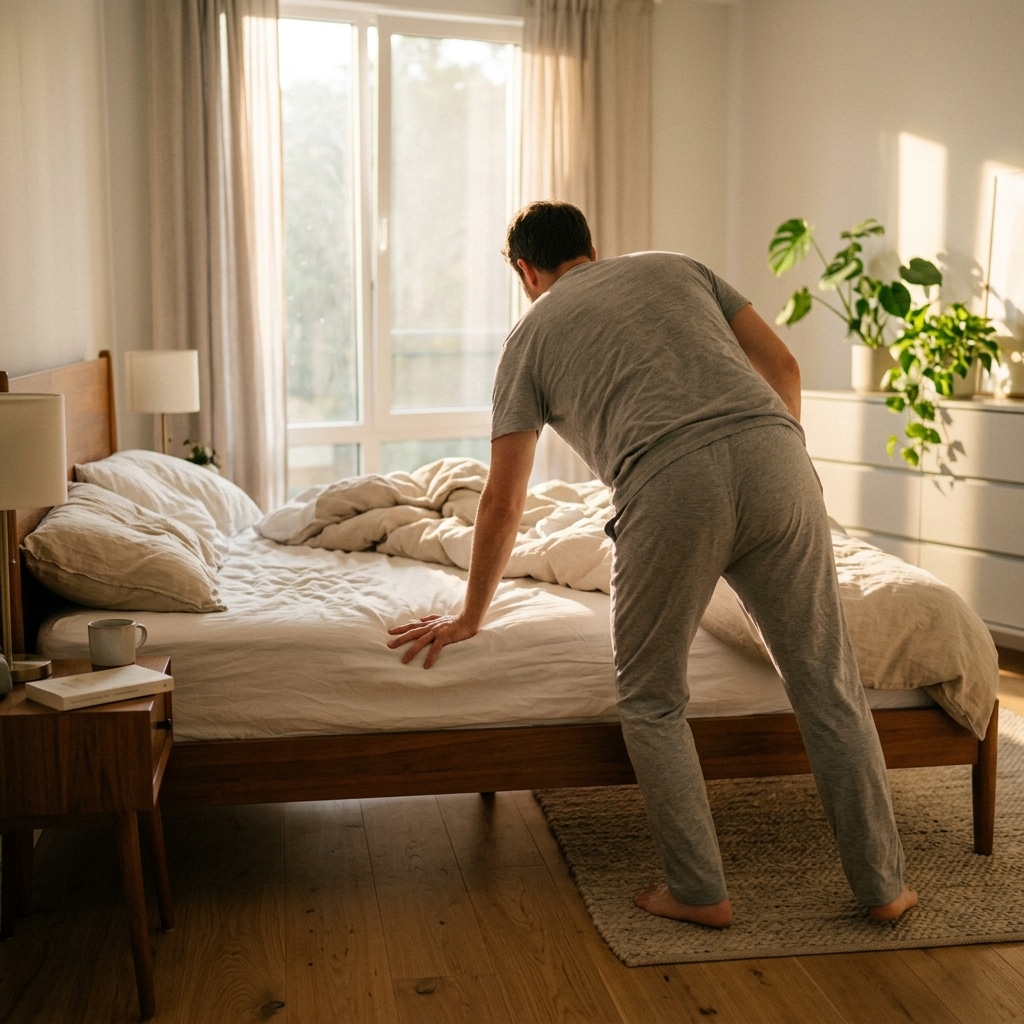
When lightheadedness occurs upon standing — particularly first thing in the morning — do not power through it. Sit on the edge of the bed for 5 to 10 seconds before standing. This allows time for blood volume to redistribute and cerebral perfusion to stabilize. Then rise slowly. If symptoms persist after those 5 to 10 seconds, you are likely significantly volume-depleted or your blood pressure is lower than your baseline — contact the office.
When to Reach Out
Recurrent dizziness, near-syncope, or any actual fainting episode warrants a call. These symptoms are almost always modifiable — fluid intake, sodium intake, or medication adjustments typically resolve them. This is not something to accept as normal.
If you’re experiencing these symptoms, call us at (303) 750-9454.
Frequently Asked Questions
Why does GLP-1 medication make me feel dizzy in summer?
GLP-1 medications like semaglutide and tirzepatide increase sodium excretion and reduce fluid retention. Add summer heat and exercise, and you can become dehydrated quickly. This drops your blood pressure when you stand up, causing dizziness or lightheadedness.
How much water should I drink while on GLP-1 medication in Colorado summer?
A good baseline is roughly half your body weight in ounces per day. In Colorado summer heat, especially if you exercise outdoors, you need more. Add fluid before, during, and after any activity in heat. Plain water alone is not enough — you also need electrolytes.
Can adding salt help with GLP-1 dizziness?
Yes. Sodium directly affects blood volume, and more sodium retention means more stable blood pressure when standing. Adding a quarter to half a teaspoon of salt distributed across meals is usually sufficient. Table salt is fine at that amount. This is one of the simplest interventions for summer dizziness on GLP-1s.
What is orthostatic hypotension and how is it related to GLP-1 medications?
Orthostatic hypotension is a drop in blood pressure when you stand up, causing dizziness or tunnel vision. Mayo Clinic identifies dehydration as one of the most common causes. GLP-1s lower blood pressure intentionally through weight loss, but they also increase fluid loss — making dehydration and orthostatic symptoms more likely, especially in hot weather.
When should I call my doctor about dizziness on GLP-1 medication?
Call if you experience recurrent dizziness, near-fainting, or any actual fainting episodes. These symptoms are usually modifiable through fluid intake adjustments, sodium intake changes, or medication adjustments. Contact the office at (303) 750-9454.