

Menopause and Visceral Fat: Why Early Intervention Matters for Metabolic Health
Your body doesn’t announce every change with fanfare. Menopause is different. Along with the hot flashes and sleep disruption, there’s a quieter shift happening in your fat tissue — one that doesn’t show up on a standard scale but has everything to do with your long-term health.
What Menopause Actually Does to Your Fat
Before menopause, estrogen directs your body to store fat in the hips and thighs — the “gynecoid” pattern. It’s relatively harmless from a metabolic standpoint. After menopause, estrogen declines and fat redistribution shifts toward the abdomen. This is the “android” pattern, and it’s a different beast entirely.
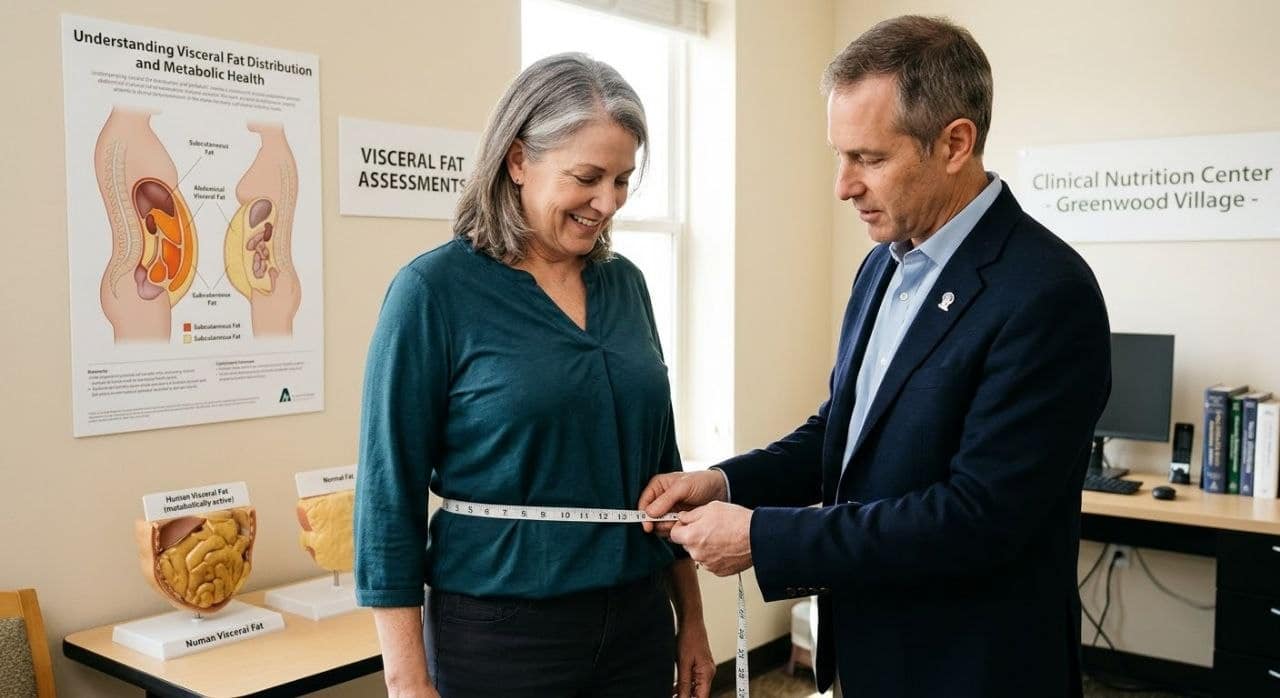
Visceral fat isn’t just sitting there under the skin. It wraps around your internal organs and is metabolically active, pumping out inflammatory chemicals and fatty acids directly into your liver. That’s what drives insulin resistance — your cells stop responding to insulin, blood sugar climbs, and the path toward type 2 diabetes accelerates.
The data is consistent. A 2023 review in Diabetes, Metabolic Syndrome and Obesity found menopause is associated with increased abdominal and visceral obesity regardless of overall weight. Another study in the Journal of Clinical Endocrinology & Metabolism showed postmenopausal women develop insulin resistance at higher rates than premenopausal women — even controlling for BMI.
Your body compounds the problem. Low estrogen leads to belly fat. Belly fat worsens insulin resistance. Insulin resistance makes it harder to lose the belly fat. That’s the vicious cycle of menopause without intervention.
Why the Scale Lies
Here’s the part that frustrates my patients in Greenwood Village and across the Denver metro: you can be technically at a “normal” weight and still have a dangerously high visceral fat burden. Postmenopausal women show increased central adiposity even when total body weight hasn’t changed dramatically.
That’s why I measure waist circumference, not just weight, in every midlife patient I see. A waist over 35 inches in women is a meaningful metabolic warning sign — independent of BMI.
The Health Stakes Are Real
The consequences aren’t hypothetical:
- Cardiovascular disease: Visceral fat produces inflammatory adipokines that accelerate atherosclerosis. Postmenopausal women carry disproportionate cardiovascular risk partly because of this shift.
- Type 2 diabetes: Insulin resistance from visceral fat is the primary driver of the diabetes that so many women develop in their 50s and 60s.
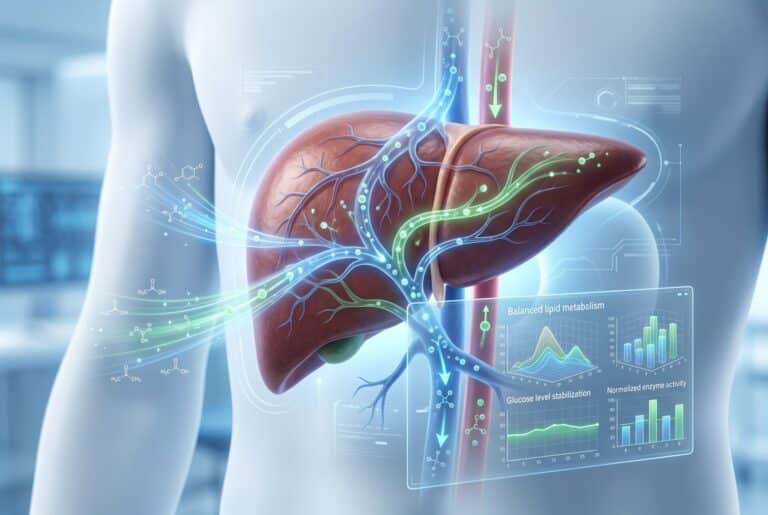
- Fatty liver disease: Visceral fat drains fatty acids directly to the liver via the portal circulation, promoting non-alcoholic fatty liver disease.
- Sarcopenia: Menopause accelerates muscle loss. Less muscle means lower resting metabolic rate, which means easier weight gain — a downward spiral.
Early Intervention Works
This is where it gets actionable. The best time to intervene is before the cycle takes hold.
Lifestyle first. Resistance training preserves muscle mass and improves insulin sensitivity. Adequate protein intake — 1.2–1.6 g/kg daily — supports muscle retention during weight loss. These aren’t optional add-ons. They’re metabolic essentials.
Hormone therapy, considered early. The ELITE study and other data suggest transdermal estrogen started near the menopausal transition can reduce visceral fat mass and improve metabolic markers. The window matters — earlier intervention has better outcomes.
GLP-1 medications when needed. New data from the Endocrine Society (Mayo Clinic, 2025) showed postmenopausal women using both menopausal hormone therapy and tirzepatide lost 35% more weight than those on tirzepatide alone. That’s synergy worth taking seriously.
Bottom Line
Menopause changes your body in ways that require a deliberate response — not panic, but intention. The shift toward visceral fat is not your fault, but ignoring it isn’t a neutral choice either. The metabolic consequences accumulate over years. Early, targeted intervention — rooted in resistance training, adequate protein, and appropriate medical support — is how you interrupt the cycle.
If you’re in perimenopause or post-menopause and haven’t had your metabolic health assessed, make the call. (303) 750-9454.
—
Dr. Ethan Lazarus, MD, DABOM, DABFM, MFOMA, is a double board-certified obesity medicine physician at Clinical Nutrition Center in Greenwood Village, CO, serving the Denver metro area.