


Why Your Scale Is Lying to You: Waist-to-Height Ratio and What BMI Misses
Published: September 13, 2026 | Last updated: October 29, 2026 | Category: Blog
Step on a scale. It tells you your weight. You might even calculate your BMI. And if you’re like most of my patients, you’ve been treating that number as a verdict.
Here’s the problem: BMI was never designed to tell you what you actually need to know.
What BMI Actually Measures (and What It Doesn’t)
BMI divides weight by height squared. That’s it. It has no idea how much of your weight is fat versus muscle. It can’t tell you where that fat is stored. A 250-pound linebacker and a 250-pound person with significant visceral fat can have the same BMI.
The research on BMI’s limitations is not new. A 2020 meta-analysis in PLOS ONE found that nearly half of people classified as “overweight” by BMI had normal body fat percentages — and nearly a third of “normal” BMI individuals had excess body fat. BMI misclassifies metabolic risk in millions of people, and the error rate is highest in the populations who need accurate risk assessment most: older adults, muscular individuals, and people from certain ethnic backgrounds.
The thing we actually care about — the variable that drives cardiovascular risk, diabetes risk, and mortality — isn’t total body fat. It’s visceral fat. A 2025 study in the Annals of Family Medicine made the same case from a different angle: measured body fat percentage predicted 15-year mortality better than BMI in adults ages 20 to 49.
Visceral Fat: The Fat That Actually Matters
Subcutaneous fat sits under the skin. You can pinch it.
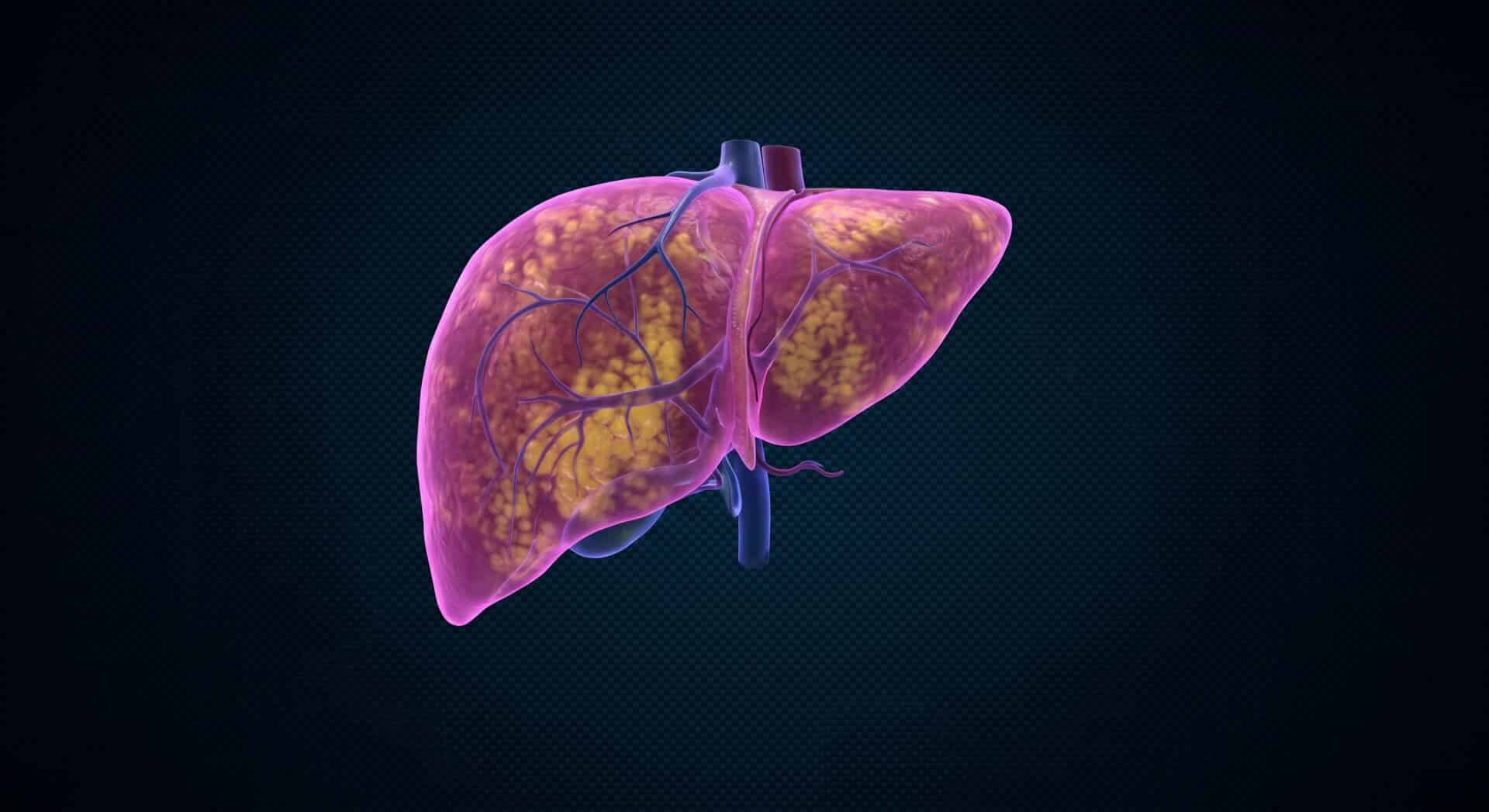
Visceral fat sits behind the abdominal wall, wrapped around the organs. It’s metabolically active in a completely different way. It produces inflammatory cytokines, drives insulin resistance, raises blood pressure, and directly contributes to atherosclerosis. This is the fat that causes heart attacks.
You can have a “normal” BMI and still carry dangerous amounts of visceral fat. You can also have a high BMI with mostly subcutaneous fat and relatively low visceral stores. BMI tells you almost nothing about either.
Waist-to-Height Ratio: A Simple Fix for a Broken System
This is where waist-to-height ratio (WHtR) comes in.
Measure your waist circumference at the navel. Divide it by your height in the same units. That’s it.
What the numbers mean:
– Below 0.5 — Normal range. Lower cardiometabolic risk.
– 0.5 to 0.59 — Increased risk. Cardiometabolic abnormalities more likely.
– 0.6 or above — High risk. Visceral fat stores are at levels associated with elevated cardiovascular and metabolic disease.
A 2021 review in Frontiers in Endocrinology found that WHtR outperformed BMI and waist circumference alone in predicting cardiovascular events, type 2 diabetes, and all-cause mortality across multiple large cohort studies. It does this because it is — in a single number — approximating visceral fat stores.
The Clinical Case: We Should Be Measuring What Matters
When a patient comes to me wanting to “lose weight,” the honest clinical answer is: we should be targeting visceral fat reduction, not the number on the scale.
The scale doesn’t know if you’ve lost fat or muscle or water. WHtR — while imperfect — is at least in the right ballpark of what we’re actually trying to improve.
This is why, at Clinical Nutrition Center, we measure waist circumference as a routine part of every weight loss patient’s assessment. And it’s why we use the SECA 554 body composition scale — it gives us a more complete picture than weight or BMI alone, measuring fat mass, muscle mass, and visceral fat estimates in a single visit.
What This Means for Your Treatment Plan
If your WHtR is elevated, the target isn’t just “lose weight.” The target is: reduce visceral fat. That shifts the clinical approach — it changes how we think about dietary interventions, the role of resistance training, sleep quality, and stress management, all of which affect visceral fat stores specifically.
Your WHtR doesn’t just give you a risk category. It gives your physician a better target to aim at.
Ask us about body composition testing at your next visit — or call to schedule.
Frequently Asked Questions
How do I calculate my waist-to-height ratio?
Measure your waist circumference at the navel with a soft measuring tape, then divide that number by your height in the same units. A 32-inch waist on a 5-foot-5-inch (65-inch) person gives a ratio of about 0.49.
What is a healthy waist-to-height ratio?
Below 0.5 is the normal range, associated with lower cardiometabolic risk. A ratio of 0.5 to 0.59 indicates increased risk, where cardiometabolic abnormalities are more likely. A ratio of 0.6 or above indicates high risk, with visceral fat stores at levels associated with elevated cardiovascular and metabolic disease.
Is waist-to-height ratio better than BMI?
For most adults, yes. A 2021 review in Frontiers in Endocrinology found that WHtR outperformed BMI and waist circumference alone in predicting cardiovascular events, type 2 diabetes, and all-cause mortality across multiple large cohort studies. The reason is structural: WHtR approximates visceral fat stores in a single number, and visceral fat is what drives risk.
Does waist-to-height ratio work for everyone?
It is validated most extensively in adult populations. Very tall or very short individuals, people with certain body types, and children fall outside the normal reference ranges and need individualized interpretation. We use it as one data point alongside body composition, not as a standalone verdict.
How often should I check my waist-to-height ratio?
Every few weeks is enough to catch meaningful drift — monthly if you are actively working on visceral fat reduction. Weight changes fast but waist circumference changes slowly, so weekly waist measurement with a monthly ratio calculation is a reasonable cadence for most patients in our Denver and Greenwood Village programs.
Sources and Further Reading
- Waist-to-height ratio and the risk of cardiometabolic multimorbidity: a national longitudinal cohort study — Nutrition, Metabolism and Cardiovascular Diseases, 2021.
- Body Mass Index vs Body Fat Percentage as a Predictor of Mortality in Adults Aged 20-49 Years — Annals of Family Medicine, 2025.
- Related: how we measure visceral fat and body composition at Clinical Nutrition Center.
Want a measurement that reflects what you actually care about? Clinical Nutrition Center in Greenwood Village, CO, pairs waist circumference with bioelectrical impedance analysis at every medical weight loss visit. Schedule a consultation or call (303) 750-9454.
Dr. Ethan Lazarus, MD, DABOM, DABFM, MFOMA | Clinical Nutrition Center, Greenwood Village, CO | Updated October 29, 2026
(303) 750-9454 · clinicalnutritioncenter.com





Thanks for the info on BMI. I agree and it’s really hard when you’re short like me and frustrating if you’re going strictly by BMI. As my waist circumference decreases, I’m feeling much better in all regards. This makes most sense to me. Good information. thank you.
The 2021 Frontiers in Endocrinology finding that waist-to-height ratio outperformed BMI in predicting cardiovascular events deserves far more airtime — it really highlights how a tape measure can beat a scale for clinical insight. I especially appreciated the point that the scale can’t tell fat loss from muscle loss; that’s the exact trap so many patients fall into. The ‘keep your waist under half your height’ framing is refreshingly actionable. Excellent piece from a physician who clearly practices what he preaches.